

Skip alternative rubbish collection E14 postcode
Posted on 14/07/2026

Skip alternative rubbish collection E14 postcode: a practical local guide for homes, flats and businesses
If you are looking into skip alternative rubbish collection E14 postcode, you are probably trying to solve a familiar Docklands problem: rubbish needs to go, but a skip may not be the neatest, easiest, or even the most workable option. Maybe the street is tight. Maybe you are in a flat block with awkward access. Maybe you only have a small amount of waste and the idea of paying for a big metal container feels a bit over the top. Fair enough.
This guide explains what skip alternative rubbish collection means in E14, how it works in real life, who it suits best, and how to avoid the usual headaches. You will also find practical tips, a comparison table, a checklist, and a straightforward look at compliance and best practice. The goal is simple: help you choose the right rubbish removal approach without wasting time, money, or patience.
Why skip alternative rubbish collection E14 postcode matters
E14 covers a busy part of east London where homes, offices and new developments often sit close together. That matters because rubbish removal is rarely just about lifting a pile of waste. It is also about access, timing, building rules, neighbours, loading space, and what is safe for the street. In other words, the practical side can get messy fast.
Traditional skips work well in some situations, but not all. In E14, a skip can be awkward if parking is limited, if you do not have a driveway, or if your building has restrictions on where a container can sit. A skip alternative, by contrast, can be more flexible. Waste can be collected directly, sorted more efficiently, and removed without leaving a big container outside for several days. That is often a relief, especially in places where footfall is constant and space is precious.
There is also the question of speed. If you are clearing a flat, dealing with end-of-tenancy rubbish, or getting rid of furniture before a move, you may want the place cleared in one visit. That is where a direct rubbish collection approach can feel far more sensible than waiting around with a skip on the road. To be fair, a lot of people only realise this after they have spent half an afternoon looking for a skip permit solution that was never going to be tidy in the first place.
For many residents and businesses in Docklands, the appeal is not just convenience. It is predictability. You know roughly when the team arrives, what they will take, and when the space will be clear again. That kind of certainty is underrated.
Expert summary: In E14, the best rubbish solution is often the one that fits your access, timing and property type, not the one that looks cheapest at first glance.
How skip alternative rubbish collection E14 postcode works
At its simplest, skip alternative rubbish collection means arranging for waste to be removed directly from your property instead of hiring a skip and filling it yourself. The exact process varies, but it usually follows a few clear steps.
1. You describe the waste
You explain what needs to go: general rubbish, mixed household waste, furniture, office clutter, garden cuttings, loft items, or builder's debris. This first step matters because different waste types may need different handling. A few bags of household rubbish are not the same as a stack of broken shelving, and mixed waste can affect how the job is priced and planned.
2. A collection window is agreed
Unlike a skip, which may sit outside for days, direct collection usually happens in a shorter window. That is useful if you are working around lift access, concierge rules, parking restrictions, or a building manager who prefers minimal disruption. In a busy area, less time on site is simply easier for everyone.
3. The team loads the waste
Collection teams generally do the lifting and loading for you. That is a major difference from a skip, where the labour sits with you. If you have bulky items, awkward stairs, or a loft that has become, well, a bit of a storage legend, this can save real effort. Not glamorous, but extremely practical.
4. Items are separated where possible
Good operators aim to sort reusable, recyclable and non-recyclable material sensibly. That does not mean every item gets a second life, of course, but it does mean the collection process can be more thoughtful than simply dumping everything into one container and hoping for the best.
5. The area is left clear
Once the waste is removed, the space is ready to use again. In flats and commercial settings, that can be the difference between a half-finished clear-out and a proper reset. If you are trying to show a property, start a renovation, or get an office back into shape, that matters more than people think.
If you want to understand the broader service model behind this kind of work, it can help to look at the services overview for a sense of how different clearance and collection jobs fit together.
Key benefits and practical advantages
Why do so many people choose a skip alternative rather than a traditional skip? Usually because the everyday benefits are hard to ignore.
- No skip sitting outside your property: Useful in shared streets, private estates and places with strict access control.
- Less chance of permit hassle: A skip on a public road may require permission, while direct collection can sidestep that issue entirely.
- Faster turnaround: Waste is removed in one go instead of sitting there for days while you fill a container.
- Labor included: You do not have to lift everything yourself.
- Better for smaller or mixed jobs: Ideal when you have more than a few bin bags, but not enough to justify a full skip.
- Cleaner visual impact: Important in Docklands, where tidy surroundings tend to matter a lot to residents, visitors and building management.
There is another benefit that rarely gets enough attention: mental space. A cluttered flat, spare room or office can quietly drain your energy. You keep stepping around boxes, telling yourself you will deal with them later. Then later arrives and nothing has changed. Getting the waste cleared properly can be surprisingly calming. A little dramatic, maybe, but true.
If your rubbish is linked to a larger change, such as moving, downsizing or reconfiguring a property, a direct collection can also support the bigger picture. For example, readers exploring local property changes often find the article on trading properties in Docklands useful because preparation and presentation go hand in hand.
Who this is for and when it makes sense
Skip alternative rubbish collection in E14 is not for everyone, and that is fine. The best choice depends on the job, access, and how quickly you want it gone. Here are the most common situations where it makes strong sense.
Flat owners and tenants
If you live in a block with lift restrictions, narrow hallways, estate parking rules or limited storage, a skip can be clumsy. Direct collection avoids leaving a container outside and usually fits the pace of flat living much better.
Landlords and letting agents
End-of-tenancy clearances often come with a deadline. One week the property is full of unwanted items, the next it needs to be ready for viewings. A skip alternative can help you move quickly between tenants without creating extra friction for neighbours or residents.
Small businesses and offices
Office clutter has a way of building slowly: broken chairs, old monitors, archive boxes, surplus desks, cables, and the odd mystery item no one wants to claim. For that sort of job, a direct office clearance approach is usually more sensible than placing a skip in a shared business district. If that sounds familiar, office clearance in Docklands is the sort of service that can save a lot of faff.
Home renovators and declutterers
Maybe you are clearing a loft, emptying a garage, or finally dealing with the mountain of stuff left over from a renovation. You do not need a huge container for every project. Sometimes a one-off collection is enough, especially when you want the mess gone on the same day.
People with awkward access
This is a big one in E14. If a skip lorry cannot park close enough, if the road is tight, or if there is no sensible place to leave a container, a collection-based option simply works better. Truth be told, a lot of "skip jobs" become collection jobs once the access is assessed properly.
Step-by-step guidance
If you want the smoothest possible result, it helps to treat rubbish removal like a short project rather than a random errand. Here is the practical sequence that tends to work best.
- Walk through the space first. Identify what is going, what is staying, and whether any items need special handling.
- Separate bulky items from loose waste. Sofas, wardrobes, mattresses and bags of rubbish are easier to deal with when grouped sensibly.
- Check access points. Stairs, lift sizes, building entry codes, loading bays and parking all matter.
- Ask about waste types. Mixed waste, wood, metal, green waste and furniture may be treated differently.
- Choose a collection time that suits the property. Morning slots can help in busy buildings; afternoon may be better if you are still sorting.
- Keep pathways clear. It sounds obvious, but a tidy route speeds things up and reduces the chance of nicked walls or frustration.
- Confirm what happens after collection. A good service will be clear about sorting, recycling and disposal routes.
One small but useful trick: make a quick list before the team arrives. Not a massive spreadsheet, just a note on your phone. It helps you avoid that awkward moment of remembering a random chair in the bedroom five minutes after the van has been loaded.
If the clearance is connected to household items, a more specific option like house clearance in Docklands may give you a more tailored fit, especially for mixed domestic contents.
Expert tips for better results
There are a few habits that make rubbish collection go more smoothly, and they are not complicated. They are just the sort of details people skip when they are in a hurry.
- Photograph the waste before booking. This helps you explain the job accurately and avoids awkward surprises.
- Be honest about volume. Underestimating waste is one of the quickest ways to derail a collection plan.
- Separate reuse from disposal where possible. If an item is still usable, think before putting it in the waste pile.
- Do not block common areas. In blocks and shared buildings, other residents will notice, and not in a charming way.
- Plan around lift or concierge timings. Little thing, big difference.
- Keep breakables wrapped or boxed. It makes handling safer and cleaner.
If you are dealing with furniture, it often helps to understand whether the job is mainly about bulky items or mixed rubbish. For sofas, wardrobes and tables, furniture disposal in Docklands can be the more direct route. For general mixed waste, a broader rubbish collection service may suit better.
And if you are unsure whether a collection is even the right choice, ask yourself one question: would you rather store waste until a skip is filled, or have the space back today? In a lot of E14 properties, the answer is obvious.
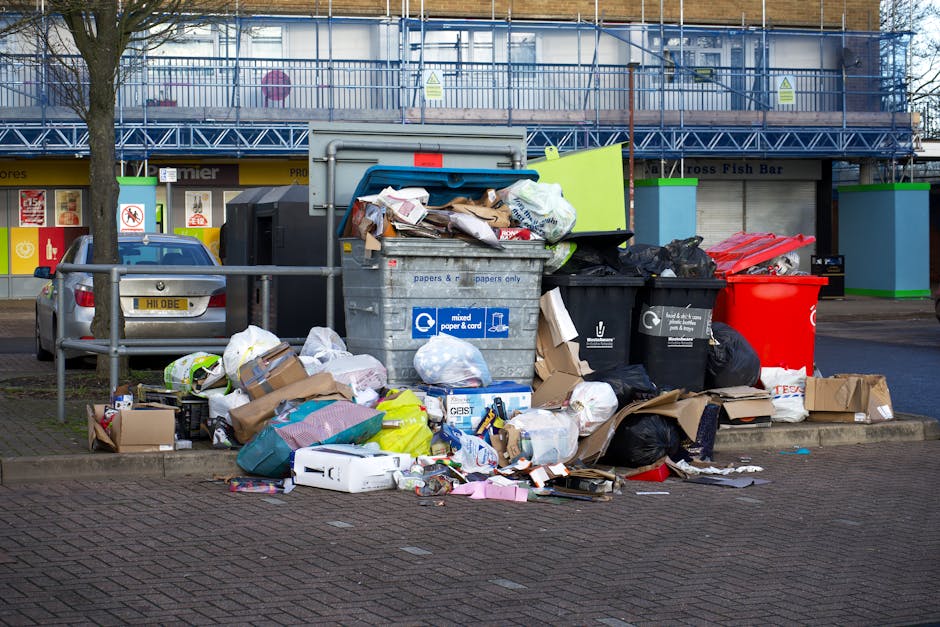
Common mistakes to avoid
Most rubbish removal problems come down to poor preparation rather than bad luck. The annoying bit is that the mistakes are often easy to avoid.
Booking the wrong type of service
People sometimes assume all clearance options are interchangeable. They are not. A loft full of mixed household items is different from a small office with desks and filing cabinets. Match the service to the waste.
Leaving access until the last minute
If a lift is out of order, a loading bay is restricted, or parking is tight, you want to know that before the collection slot starts. Nobody enjoys learning that while the team is already on site.
Mixing restricted items without checking
Some items need special handling. You should always be cautious with anything potentially hazardous, sharp, wet, heavy or unusual. When in doubt, clarify first.
Overfilling the brief
A vague description of "a bit of rubbish" can cause a lot of confusion. Be specific. Bags, boxes, furniture, white goods, timber, garden waste, broken appliances - say what is actually there.

Focusing only on the cheapest price
Cheap is not always cheap if the service is not suited to the job. A well-organised collection that saves time and avoids repeated visits may be better value overall. Let's face it, nobody wants a bargain that becomes a chore.
Tools, resources and recommendations
You do not need a huge toolkit to prepare for rubbish collection, but a few simple items help more than people expect.
- Heavy-duty bin bags for loose waste and mixed clear-out items.
- Marker pens and labels for separating keep, donate and dispose piles.
- Protective gloves if you are sorting dusty loft items or rough materials.
- Measuring tape for bulky furniture that needs moving through doors or lifts.
- Phone camera for snapping the waste area before and after.
- Basic floor protection if items need to pass through finished interiors.
For planning and comparison, it also helps to understand the type of job you are dealing with. If you are clearing a workspace, the material mix can be different from a home clear-out. A useful starting point is the services overview, which gives a broader picture of how waste and clearance jobs are typically organised.
When you want a more practical cost conversation, the pricing and quotes page can help you think in terms of job size and collection type rather than guessing blindly.
Law, compliance, standards and best practice
Waste removal in the UK is not something to wing casually. You do not need to become a compliance expert, but you do need to make sensible choices. A reputable collection service should be able to explain how waste is handled, transported and disposed of in line with normal UK practice.
For households and businesses alike, the safest habit is simple: use a provider that deals with waste properly, keeps records as required, and separates recyclable material where appropriate. If you are a business, you should be extra careful about the trail left behind by commercial waste, because "someone took it away" is not the same as "it was handled correctly".
There is also a practical safety angle. Heavy lifting, sharp objects, broken glass, damp materials and awkward furniture all carry risk. The right team should work with care, protect shared spaces, and avoid creating hazards in corridors, car parks or entrance areas. If you want reassurance on that side of things, it is worth reviewing pages like insurance and safety and the company's recycling and sustainability approach.
Best practice also means being clear about what cannot simply be mixed into ordinary rubbish. If you are unsure about a certain item, ask before it is loaded. That one conversation can prevent a lot of grief later.
Options, methods, and comparison table
If you are weighing up a skip against a skip alternative rubbish collection in E14, the practical differences are worth seeing side by side. The right choice depends on access, volume and how involved you want the process to be.
| Option | Best for | Strengths | Watch-outs |
|---|---|---|---|
| Traditional skip | Larger clear-outs with space for a container | Good for ongoing DIY or renovation waste; simple if you can load it yourself | May need a permit; can sit outside for days; can be awkward in tight streets |
| Direct rubbish collection | Homes, flats, offices and mixed clear-outs | Fast, flexible, labour included, no container left on the road | Less suited to very large volumes if spread over multiple categories |
| Bulky-item-only collection | Sofas, wardrobes, mattresses and similar items | Clean and efficient for a few large pieces | Not ideal if you also have lots of bagged waste |
| Full property clearance | Moves, probate, refurbishments, end-of-tenancy jobs | Best for mixed contents and a proper emptying of the space | Can be more involved than a one-off waste pick-up |
In many E14 situations, the direct collection route offers the best mix of convenience and control. Especially when a skip would be visible, vulnerable to fly-tipping, or simply in the way. Nobody wants to spend three days looking at a half-full container from the living room window. Bit grim, really.
Case study or real-world example
Here is a realistic example from the kind of work that comes up all the time in Docklands. A couple in a two-bedroom flat in E14 had been living around unopened boxes, an old sofa, broken shelving, and a loft hatch stuffed with forgotten bits from earlier moves. They originally thought a skip would be the straightforward answer. Once they checked the access, though, it became obvious that leaving a container outside the building was going to be awkward and possibly expensive.
Instead, they chose a direct collection approach. The team arrived in a short time window, removed the bulky furniture first, then cleared the bagged and boxed items. The job was finished without blocking the road, and the flat felt usable again almost immediately. The couple later said the best part was not the lifting or the speed. It was walking back into the space and seeing the floor properly.
That is the thing with rubbish removal: the visible result is only half the story. The quieter win is what it does for the rest of your day. When the clutter goes, the space breathes a little.
For readers who are dealing with a move or a property transition, you may also find the local perspective in Docklands property investment insights and what locals say about living in Docklands useful for understanding how presentation and practicality often overlap in the area.
Practical checklist
Use this quick checklist before you book any skip alternative rubbish collection in E14.
- Have I identified every item that needs removing?
- Do I know whether the waste is household, bulky, mixed, garden or office material?
- Is access clear for loading, lift use, or stair carrying?
- Do I need to notify building management or concierge?
- Is there anything fragile, heavy or awkward that needs extra care?
- Have I separated items I want to keep, donate or recycle?
- Have I taken photos for reference?
- Do I know what happens after collection?
- Is the collection time realistic for the property?
- Have I checked whether a specialised clearance option is more suitable?
If you can tick most of those off, you are already ahead of the game. A lot ahead, actually.
Conclusion
Skip alternative rubbish collection in the E14 postcode is often the smarter choice when you need flexibility, speed and less disruption. It works especially well for flats, shared estates, small businesses and anyone dealing with awkward access or mixed waste. Instead of making the job fit a skip, you make the collection fit the property. That is the real advantage.
The best results usually come from a clear brief, honest waste descriptions, a realistic collection plan and a provider that handles the job properly from start to finish. Keep it simple, keep it tidy, and do not let clutter hang around longer than it needs to. Life is busy enough without old furniture becoming a permanent housemate.
Get a free quote today and see how much you can save.
 Tipper Van - Waste Clearance and House Waste Collection Prices in Docklands, SE16
 Luton Van - Waste Clearance and House Waste Collection Prices in Docklands, SE16

